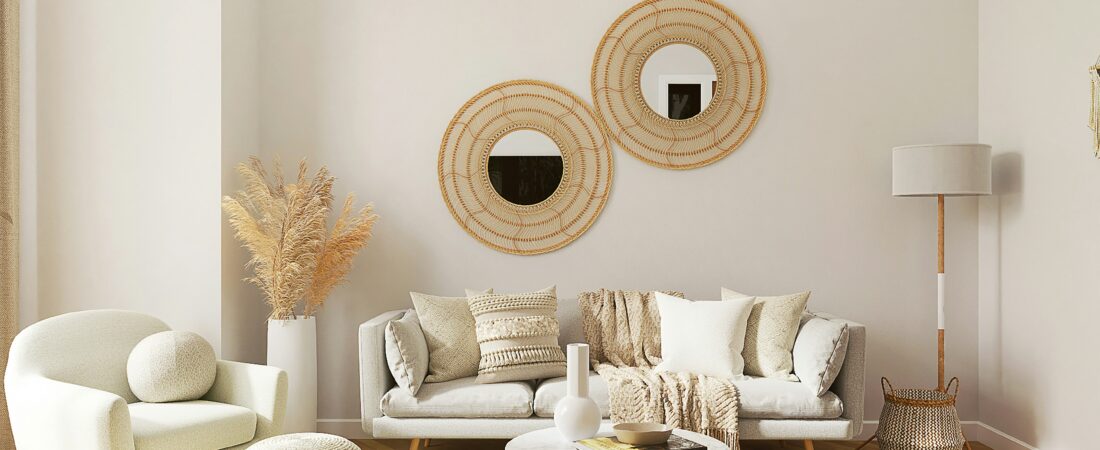
Okay, real talk for a second. You’ve seen those Pinterest-perfect living rooms with the linen throw pillows, the chunky woven baskets, the perfectly curated gallery wall — and then you look around your own living room and see a crayon mark on the baseboard, a mismatched throw blanket your toddler claimed as a territory, and curtains you bought in 2017 because they were on clearance.
Girl. Same.
But here’s what I’ve figured out after years of styling my home on a very real, very limited budget: you absolutely do not need to spend designer money to have a designer-looking home. I’m not talking about buying cheap stuff that looks cheap. I’m talking about being strategic — knowing exactly which budget buys photograph like a million bucks and which splurges are simply not worth it when you have kids spilling things daily.
I’ve tested, returned, kept, and obsessed over so many home finds. So let me save you the guesswork. These are the inexpensive items that genuinely fool people into thinking you’ve got an interior designer on speed dial.
This post contains affiliate links. If you click through and make a purchase, I may earn a small commission at no extra cost to you. I only recommend products I genuinely love and use in my own home. Thank you for supporting this blog!
1. Woven Baskets and Seagrass Storage: The Ultimate Budget Luxury
If there’s one category of home decor that punches WAY above its price point, it’s natural woven baskets. These beauties look expensive because they’re textural — they add warmth, dimension, and that effortlessly organic feeling that makes a room feel curated rather than decorated.
Here’s what I love about them: they’re also 100% functional in a family home. We’re talking toy storage, blanket corrals, magazine holders, plant pot covers — they do it all while looking incredibly chic.

What to Look For
When shopping for baskets on a budget, keep these tips in mind:
- Natural materials win every time. Seagrass, water hyacinth, rattan, and jute all have that high-end organic texture. Avoid plastic wicker — it reads as cheap up close.
- Neutral colors photograph like designer pieces. Stick to natural tan, warm brown, black, or white.
- Vary your sizes. A set of three nesting baskets in different heights looks intentional and expensive.
- Look for tight, even weaving. Loose or uneven weaving is the telltale sign of a lower-quality piece.
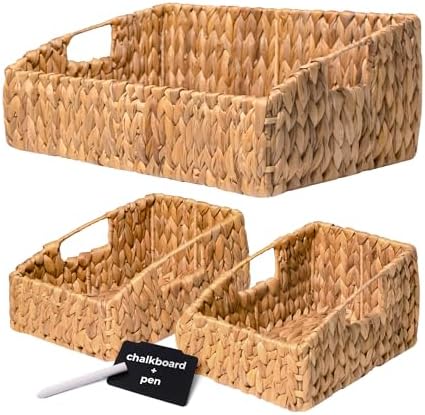


You can find gorgeous sets for under $40 that look like they came straight out of a Serena & Lily catalog. I have three in my living room right now and guests genuinely ask where I got them — they’re always shocked when I say Amazon.
2. Linen-Look Throw Pillows and Curtains: Texture Is Everything
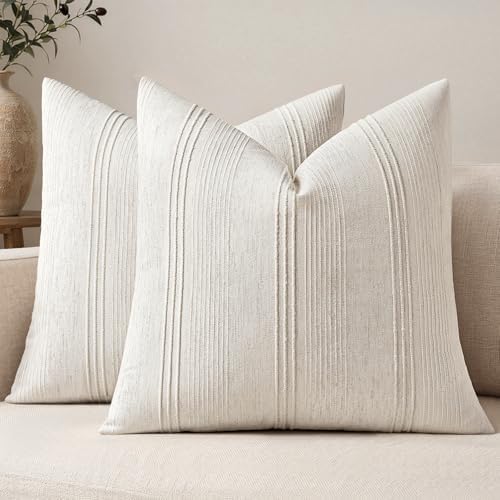
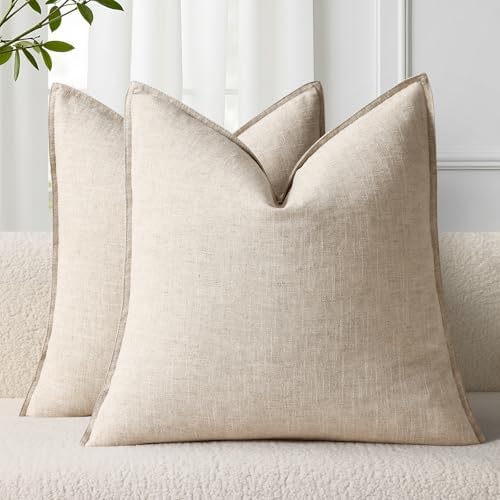
Let me tell you what makes a room look expensive in approximately five seconds: linen. Or more specifically, linen-look fabric. The real stuff is pricy, but the textured knock-offs available now? Honestly, you cannot tell the difference in person, let alone in a photo.
Throw pillows are the fastest, cheapest room refresh you can do. Swap out whatever you have on your sofa right now for neutral linen-look covers and watch your entire living room elevate immediately. I’m not exaggerating. We’re talking a $15–$25 swap per pillow that looks like a $75 designer cushion.
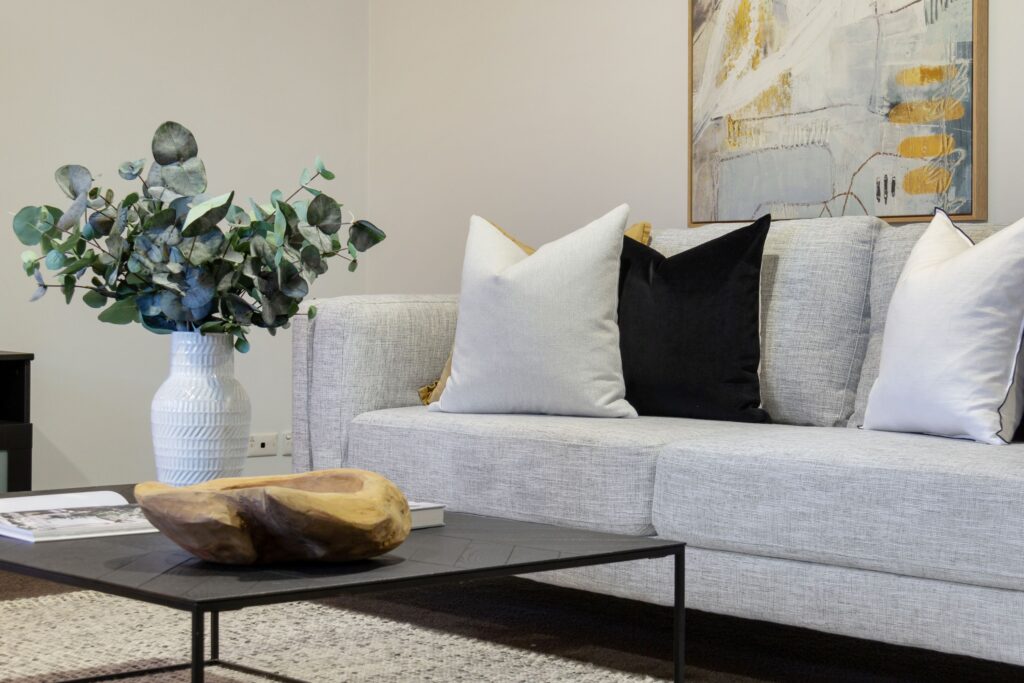
Pillow Styling Tips That Look Expensive
- Go odd numbers. Three or five pillows look more styled than two or four.
- Mix textures, keep the color palette tight. A chunky knit, a smooth linen, and a subtle pattern all in warm neutrals? That’s the look.
- Size up. Bigger pillows (20×20 or 22×22) look more luxurious than smaller ones.
- Overstuff your inserts. Nothing screams budget like a flat, floppy pillow. Get inserts that are 2 inches larger than your cover for that full, designer-plump look.

Curtains: The Most Underrated Room Transformer
I cannot overstate this — the right curtains will make your entire room look taller, larger, and more expensive. And the trick isn’t spending a lot. It’s hanging them correctly.
The rule: hang your curtain rod as close to the ceiling as possible (ideally within 4–6 inches), and let the panels just kiss the floor. This instantly makes ceilings look taller and windows look grander.


Budget linen-look curtain panels in white or cream transform a standard window into something that looks like it belongs in an Anthropologie catalog. Get the longer length — 96 to 108 inches — even if your ceilings are standard height. The extra length pooling slightly on the floor is the look right now.
3. Faux Plants and Stems: Designer Vibes, Zero Watering
I know, I know. You’ve seen bad faux plants. The shiny plastic pothos from 2005, the dust-collecting silk flowers that scream “dentist waiting room.” But that is not what we’re talking about here.
The quality of artificial greenery available now is genuinely stunning. We’re talking realistic texture, natural color variations, the right weight and drape — things that would fool a botanist at a glance. And for a busy mom who can barely keep her own caffeine levels up, let alone a fiddle-leaf fig, this is a total game changer.

The Faux Greenery Pieces Worth Buying
- Eucalyptus stems in a simple ceramic vase — classic, timeless, looks fresh
- Faux olive tree in a simple terracotta or woven pot — this is THE living room moment
- Dried-look pampas grass — adds texture and height to empty corners
- Fake succulents in a cluster — great for shelves and coffee tables



The key is pairing your faux plant with a real-looking vessel. A beautiful ceramic pot or a woven basket planter automatically makes the plant look more realistic and expensive, regardless of price.
4. Budget Frames and Gallery Walls: The Instant Art Upgrade
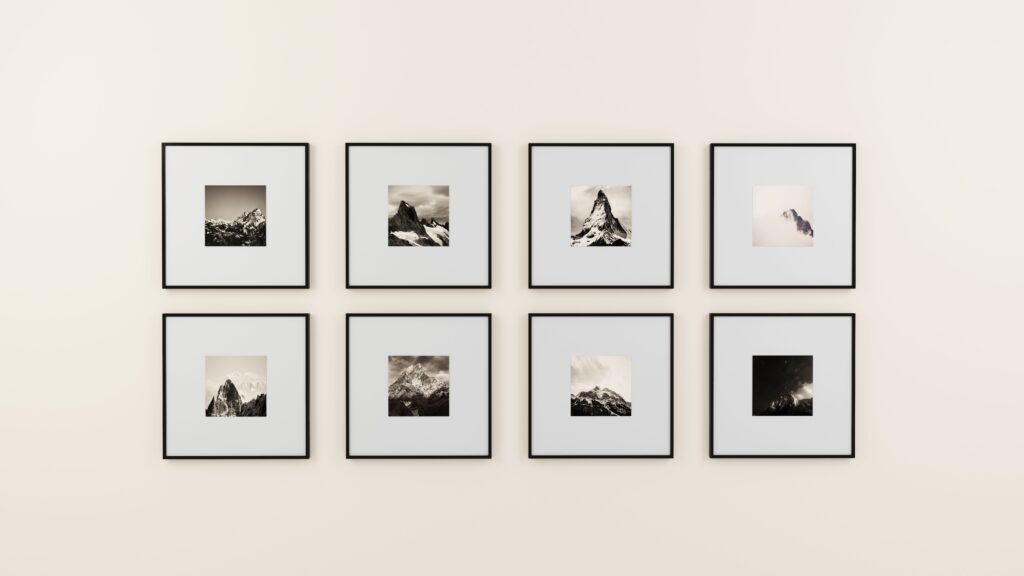
A gallery wall done right looks like something from an interior design magazine. Done wrong, it looks like a yard sale. The secret is less about the art itself and more about the consistency of the frames.
When your frames are mismatched in style, color, and material, a gallery wall looks chaotic. When they’re cohesive — all black, all natural wood, or all white — it looks polished and intentional, no matter what you paid for them.
How to Build a High-End Gallery Wall on a Budget
Step 1: Choose a frame family. Pick one finish — matte black is the most popular right now for a modern look, while natural light wood gives a warmer, Scandinavian feel.
Step 2: Mix frame sizes strategically. Vary your sizes (4×6, 5×7, 8×10, 11×14) but keep proportions balanced. Anchor with one or two larger pieces and fill in with smaller ones.
Step 3: Source free or cheap art. This is the secret nobody talks about. You don’t need expensive prints:
- Download free art printables from Etsy (many sellers offer free downloads with just an email signup)
- Print black-and-white family photos in a matte finish
- Use pages from vintage books or botanical illustrations (public domain)
- Simple abstract art you make yourself — yes, really
Step 4: Lay it out on the floor first. Arrange your gallery on the ground before putting a single nail in the wall. Take a photo and adjust until you love it.

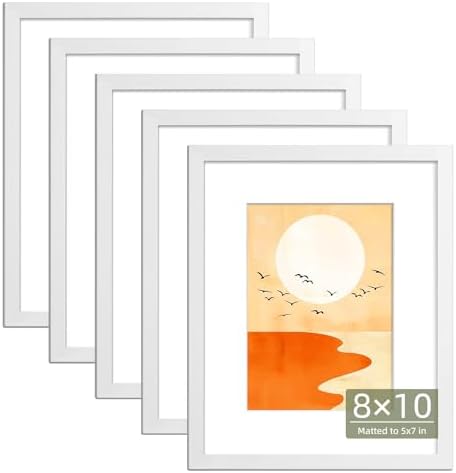

Budget frames from Amazon or IKEA look incredibly high-end when they’re all the same finish and hung with intention. Nobody will ever know you paid $6 per frame.
5. Decorative Trays, Books, and Table Styling: The Coffee Table Edit
Here’s a styling truth: a beautifully arranged coffee table or console tray makes a room look finished. Like an adult with taste actually lives there (even when said adult was recently on her hands and knees looking for a missing LEGO piece).
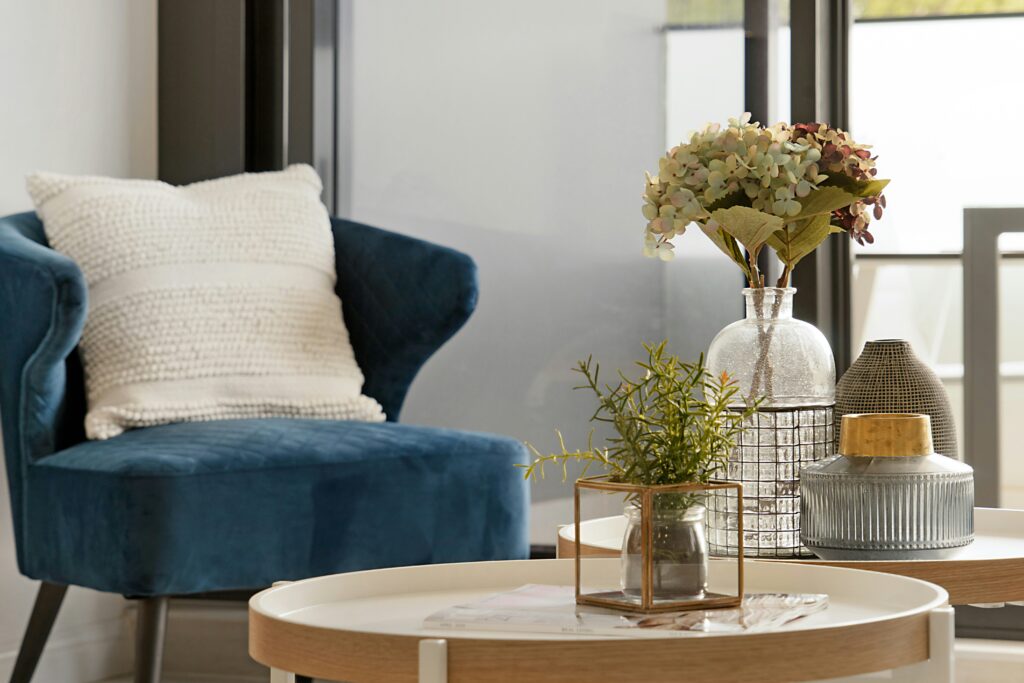
Decorative trays are your best friend here. They do two things simultaneously: they corral clutter and they create an intentional “vignette” that looks styled and purposeful.
The Classic 3-Item Tray Formula
For any tray or surface, follow this simple rule: something tall, something interesting, something natural.
- Something tall: A candle, a bud vase with stems, a small potted plant
- Something interesting: A small decorative object, a beautiful coaster set, a sculptural bookend
- Something natural: A small crystal, a smooth stone, a sprig of real or faux eucalyptus, a pinecone
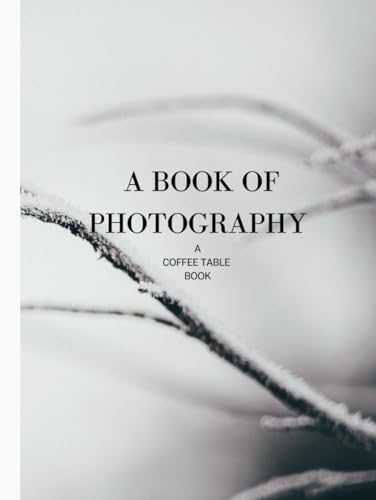
Coffee table books are also massively underrated as a styling tool. A stack of two or three beautiful books (even thrifted ones with pretty spines) instantly adds sophistication to any surface. Look at thrift stores for cookbooks, art books, and nature books with beautiful covers — I’ve found gorgeous ones for $1–$2 that look wildly expensive stacked on my coffee table.


FAQ: Budget Home Decor Answers for Real Moms
Q: How do I make cheap furniture look more expensive? It’s all about the details around it. Style your furniture with intention — add a beautiful tray on the coffee table, layer a textured throw, place a plant nearby. Clean lines and cohesive color choices around the piece will make the furniture itself look more elevated. Also: replace hardware. Swapping out drawer pulls and cabinet knobs on inexpensive furniture is a $20–$30 upgrade that makes a massive visual difference.
Q: What colors make a home look more expensive? Stick to a neutral palette with one or two accent tones. White, cream, warm beige, soft sage, and muted terracotta are all timeless and photograph beautifully. Avoid too many competing colors — a cohesive palette is the #1 thing that makes a space look put-together regardless of budget.
Q: Where’s the best place to find inexpensive home decor that actually looks good? Amazon (especially if you sort by ratings and look at real customer photos, not just the listing images), IKEA, Target’s Studio McGee line, HomeGoods/TJ Maxx in-store, and Facebook Marketplace for furniture and larger pieces. Thrift stores are incredible for unique decorative objects, frames, and books.
Q: How do I style on a budget if I have young kids who destroy everything? Focus your budget on things that are out of reach (gallery walls, high shelves, window treatments) and go simple and durable for lower surfaces. Store breakables. Embrace slipcovers. Use washable throw blanket covers. And honestly? A stylish, neutral room actually hides kid chaos better than a cluttered, colorful one. Simplicity is your friend.
The Bottom Line: Your Home Can Look Beautiful Without Breaking the Bank
Here’s what I want you to take away from all of this: a beautiful home isn’t about how much you spend. It’s about intention. It’s about choosing a cohesive direction and then being thoughtful about where each piece fits into that vision.
The moms with the gorgeous, magazine-worthy homes? Most of them aren’t spending thousands. They’re shopping smart, styling intentionally, and using these exact tricks to make budget buys look like splurges. You can do this too. Your home can be beautiful AND functional AND family-friendly AND affordable all at the same time.
Start small. Pick one room. Grab a basket, a set of pillow covers, and a pack of frames. Watch what happens.