
Have you noticed that hobbies your grandmother loved are suddenly everywhere again?
Knitting clubs are filling up. Gardening videos are gaining millions of views. Women are baking sourdough, keeping journals, learning embroidery, and spending evenings working on puzzles instead of scrolling social media.
At first glance, it may seem like a trend driven by nostalgia. But there is something deeper happening.
Women of all ages are feeling overwhelmed by constant notifications, endless news cycles, and the pressure to always be productive. In response, many are rediscovering hobbies that encourage slower living, creativity, and genuine relaxation. Traditional “grandma hobbies” are making a major comeback because they offer something modern life often lacks: peace, purpose, and a break from screens.
Whether you’re in your twenties, forties, sixties, or beyond, these classic hobbies can help you reconnect with yourself, reduce stress, and create something meaningful with your own hands.
Why Are Old-Fashioned Hobbies Becoming Popular Again?
For years, most of our free time has revolved around screens.
We work on computers, check our phones constantly, stream television, and spend hours on social media. Many women have realized that even when they’re technically relaxing, they don’t actually feel rested.
Experts say hands-on hobbies provide a healthy counterbalance to digital overload. Activities like knitting, gardening, baking, and crafting engage the senses, encourage mindfulness, and help regulate stress.
Unlike social media, these hobbies have a clear beginning and end. You plant a seed. You bake a loaf of bread. You finish a scarf.
That sense of completion is incredibly satisfying.
Many women also enjoy the fact that these hobbies don’t require constant comparison. You’re not chasing likes or followers. You’re simply enjoying the process.
The Benefits of Hobbies for Adult Women
A hobby isn’t just something to fill time.
Research and mental health experts point to several benefits of engaging in creative, hands-on activities.
Hobbies Can Reduce Stress
Many traditional hobbies involve repetitive movements and focused attention. These activities help quiet mental chatter and encourage a calmer state of mind.
Examples include:
- Knitting
- Crocheting
- Embroidery
- Coloring
- Puzzling
- Gardening
Hobbies Encourage Creativity
Creative activities activate different parts of the brain than work-related tasks. They give you room to experiment, learn, and express yourself without pressure.
Hobbies Help You Disconnect From Screens
Many women report feeling mentally exhausted after spending hours online. Analog hobbies create natural screen-free time that can leave you feeling refreshed.
Hobbies Build Confidence
Learning a new skill and seeing your progress over time can boost confidence and provide a sense of accomplishment.
Hobbies Create Community
Book clubs, gardening groups, quilting circles, knitting clubs, and crafting classes help people connect in real life. These shared experiences can reduce feelings of isolation and loneliness.
As an Amazon Associate, I earn from qualifying purchases. This means if you click a link and make a purchase, I may earn a small commission at no extra cost to you.
10 Popular Hobbies Making a Comeback
If you’re looking for a hobby to try, these are some of the most popular options women are embracing today.
1. Knitting and Crocheting
Once associated primarily with grandmothers, knitting and crocheting have become incredibly popular among younger generations.
Why women love it:
- Portable and inexpensive
- Relaxing repetitive motion
- Creates practical items
- Easy to learn online


2. Gardening
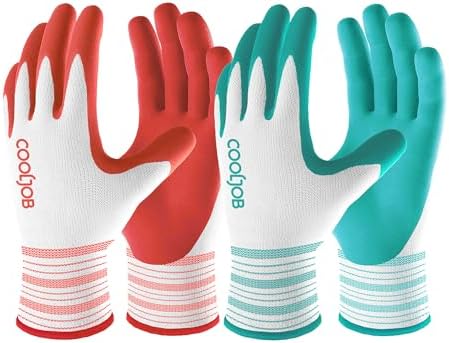
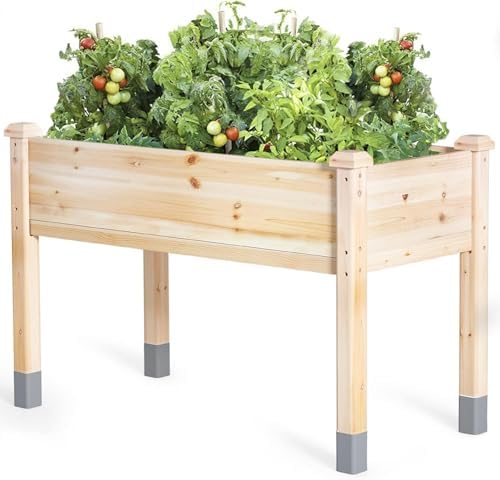
Whether it’s a backyard vegetable garden, raised beds, or a few herbs on a windowsill, gardening continues to attract women looking for a slower pace of life.
Why women love it:
- Encourages time outdoors
- Reduces stress
- Produces food and flowers
- Creates a connection with nature

3. Baking From Scratch
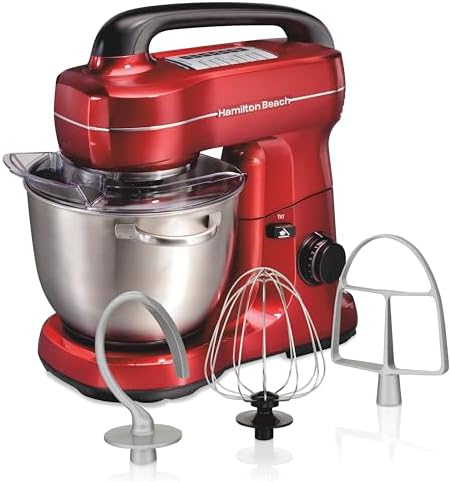
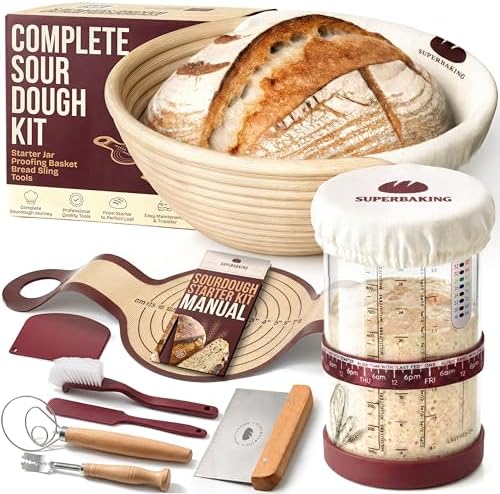
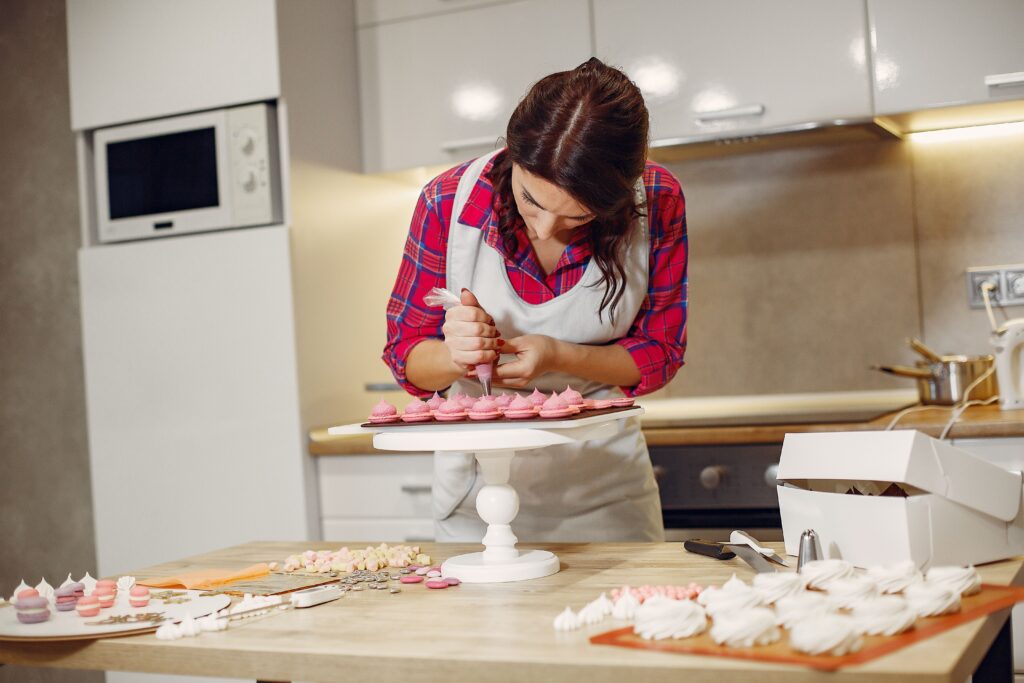
Homemade bread, cookies, pies, and sourdough have become increasingly popular in recent years.
There’s something comforting about creating food with your own hands and sharing it with family and friends.
Why women love it:
- Creative and practical
- Great for families
- Produces immediate results
- Creates traditions and memories

4. Reading Physical Books
Many women are intentionally choosing printed books over screens.
Reading before bed instead of scrolling social media can help create a more relaxing evening routine.
Why women love it:
- Improves focus
- Encourages relaxation
- Expands knowledge
- Creates a screen-free escape


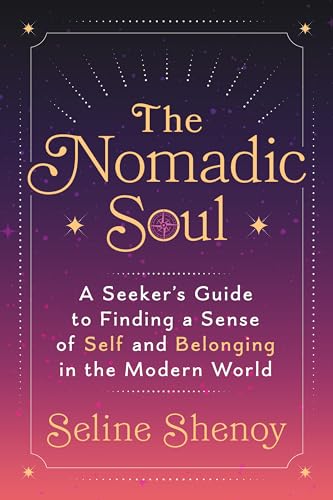
5. Journaling
Journaling has evolved far beyond simply keeping a diary.
Women now use journals for gratitude, goal setting, memory keeping, travel planning, and personal reflection.
Why women love it:
- Helps organize thoughts
- Encourages self-reflection
- Supports personal growth
- Easy to start
6. Sewing and Embroidery
Creating something beautiful from fabric continues to attract women of all ages.
Popular projects include:
- Embroidery hoops
- Decorative pillows
- Clothing repairs
- Personalized gifts
7. Puzzles and Brain Games
Puzzles offer a simple way to slow down and focus on a single task.
Many women find them surprisingly relaxing after a stressful day.
8. Bird Watching
Bird watching has quietly become one of the fastest-growing hobbies among people looking to spend more time outdoors.
All you really need is a bird feeder, a notebook, and a little patience.
9. Scrapbooking and Memory Keeping
In a world where thousands of photos live on our phones, creating physical memory books feels special again.
10. Board Games and Card Games
Many women are replacing screen time with family game nights and gatherings with friends. Traditional games offer both entertainment and meaningful connection.
How to Choose the Right Hobby
The best hobby is the one you’ll actually enjoy.
Ask yourself:
- Do I want something creative?
- Do I want something relaxing?
- Do I want to learn a skill?
- Do I want a hobby I can do with friends?
- Do I prefer indoor or outdoor activities?
Start small.
You don’t need to invest hundreds of dollars or become an expert immediately. Many hobbies can be started with basic supplies and a beginner mindset.
Remember: the goal isn’t perfection.
The goal is enjoyment.
Creating a Screen-Free Evening Routine
One reason these hobbies are becoming so popular is that they naturally replace screen time.
Try this simple evening routine:
- Put your phone away for one hour.
- Make a cup of tea.
- Spend 30–60 minutes on your hobby.
- Focus on the process rather than the outcome.
- End the evening feeling refreshed instead of overstimulated.
Many women find this simple habit improves their mood and helps them unwind after busy days.
Frequently Asked Questions
What are “grandma hobbies”?
Grandma hobbies are traditional hands-on activities often associated with older generations, such as knitting, crocheting, gardening, baking, reading, sewing, bird watching, and puzzles. They have become increasingly popular among younger adults looking for a break from screens.
Why are younger women interested in these hobbies?
Many women are seeking slower, more meaningful activities that help reduce stress and provide a sense of accomplishment. Traditional hobbies offer a refreshing alternative to constant digital stimulation.
What hobby is easiest for beginners?
Reading, journaling, puzzles, coloring, and basic gardening are excellent beginner-friendly hobbies that require minimal supplies.
Do hobbies really help mental health?
Mental health professionals frequently recommend creative and hands-on activities because they can help reduce stress, encourage mindfulness, and improve overall well-being.
Are hobbies expensive?
Not necessarily. Many hobbies can be started for less than the cost of a dinner out. Reading, journaling, gardening, and puzzles all have affordable entry points.
Final Thoughts
The return of traditional hobbies isn’t really about going backward.
It’s about finding balance.
In a world filled with constant notifications, busy schedules, and endless scrolling, hobbies like knitting, gardening, baking, reading, and journaling remind us to slow down and enjoy simple pleasures.
You don’t need to master a new skill overnight. Pick one hobby that sounds interesting, give yourself permission to be a beginner, and see where it leads.
You may discover that the hobby your grandmother loved is exactly what you need right now.
What hobby are you thinking about trying first? Let me know in the comments below, and don’t forget to save this post for later inspiration.