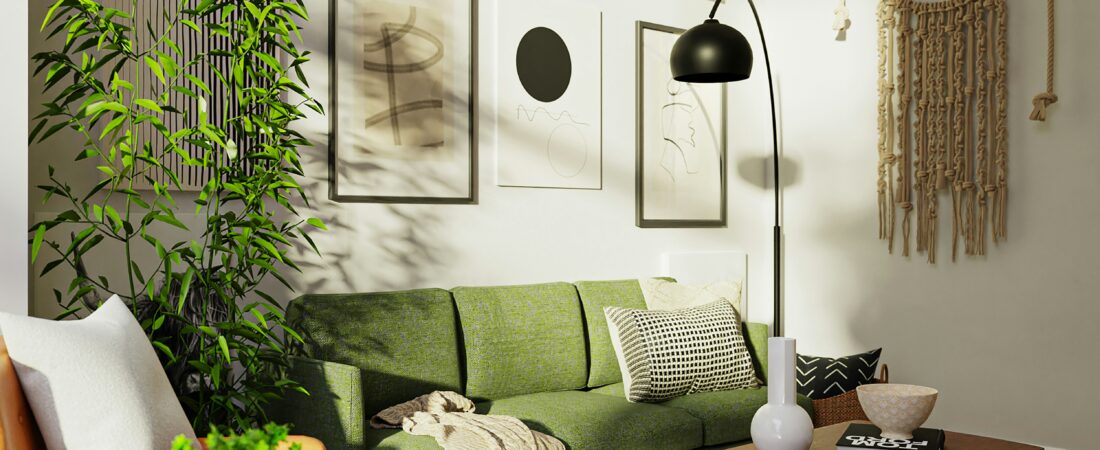
If you’ve ever walked into your living room and wished it felt a little more open, you’re not alone. Many homes, apartments, and condos have living rooms that feel cramped, crowded, or simply smaller than we’d like.
The good news? You don’t need an expensive renovation to create the feeling of more space.
Professional designers have been using visual tricks for years to make small rooms feel brighter, larger, and more inviting. The right furniture placement, colors, lighting, and decor choices can completely change how a room feels without adding a single square foot.
Whether you’re decorating a cozy apartment, a starter home, or simply trying to make better use of your space, these designer-approved ideas can help your small living room feel bigger, brighter, and more comfortable.
Why Small Living Rooms Often Feel Smaller Than They Are
Before making changes, it helps to understand what makes a room feel cramped.
Common causes include:
- Oversized furniture
- Poor lighting
- Dark color palettes
- Too much visual clutter
- Blocked pathways
- Heavy window treatments
- Too many decorative accessories
Fortunately, each of these problems has a simple solution.
As an Amazon Associate, I earn from qualifying purchases. This means if you click a link and make a purchase, I may earn a small commission at no extra cost to you.
1. Choose Light Colors for Walls and Large Furniture
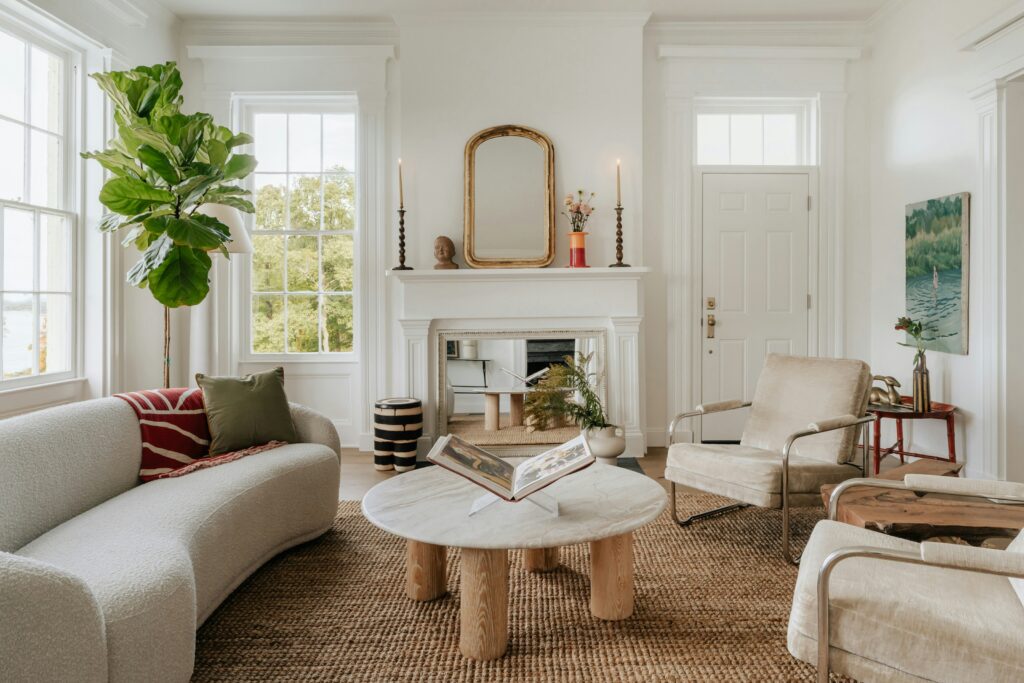
One of the easiest ways to make a small living room look bigger is to use lighter colors.
Light shades reflect natural light instead of absorbing it, helping walls appear farther apart.
Consider:
- Soft white
- Warm cream
- Light beige
- Pale gray
- Greige
- Soft sage green
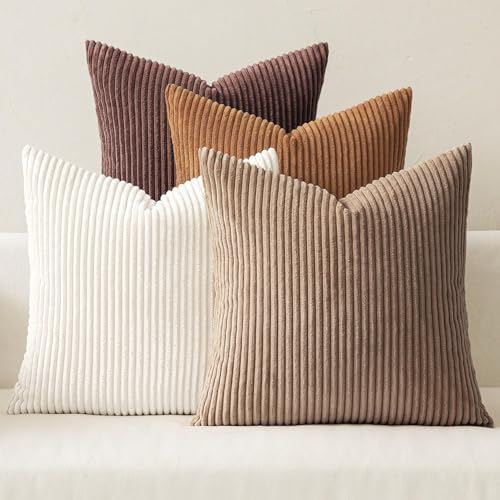
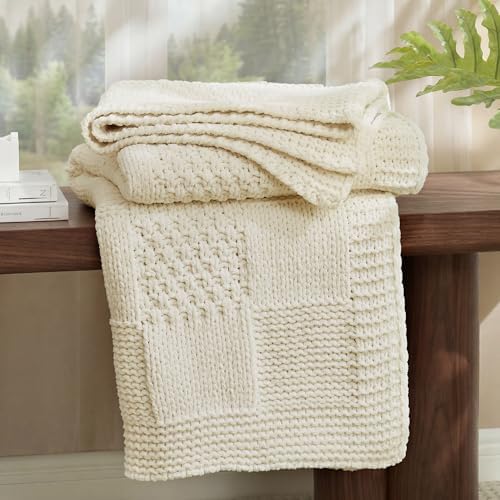
You don’t have to create an all-white room. Adding texture through pillows, rugs, and throws keeps the space warm and welcoming.

2. Use Mirrors to Reflect Light and Create Depth
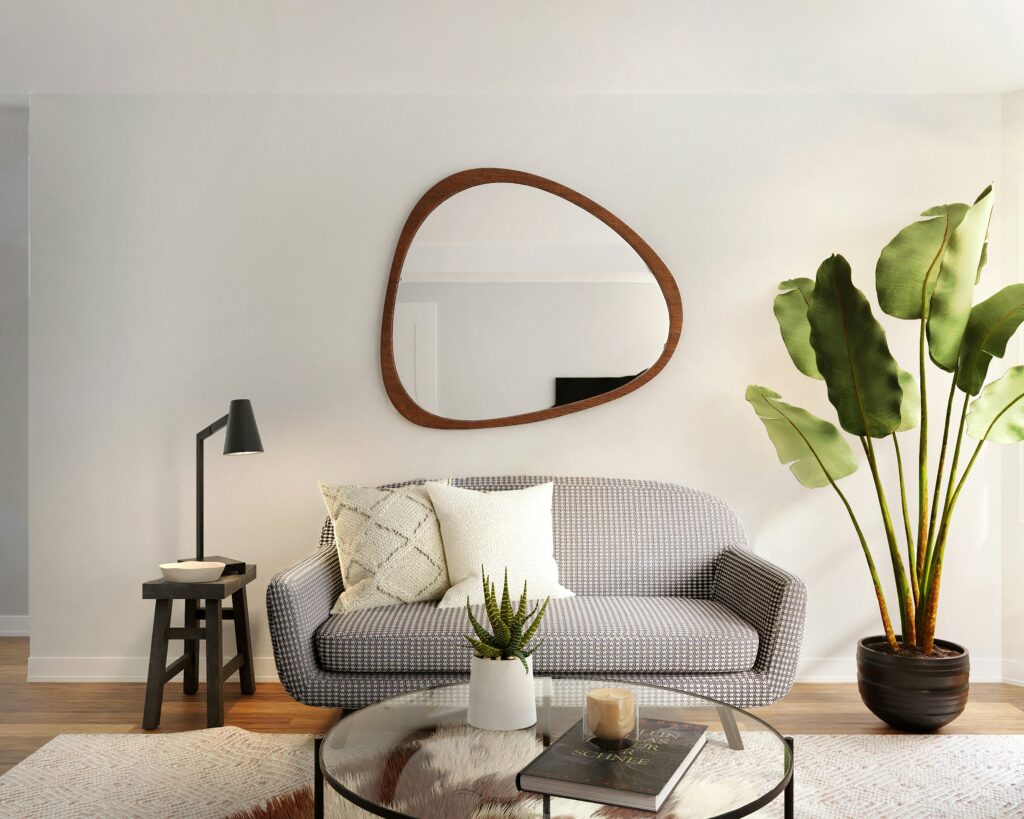
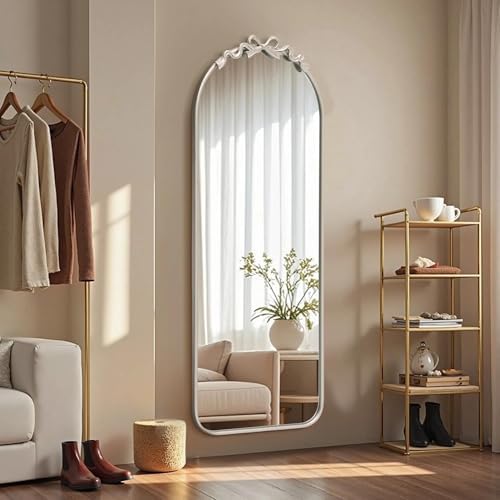
Mirrors are one of the oldest decorating tricks for making small spaces feel larger.
When placed strategically, mirrors:
- Reflect natural light
- Create visual depth
- Brighten dark corners
- Make walls appear farther away
A large mirror opposite a window can instantly make a room feel more open.
Best Mirror Placements
- Across from a window
- Above a sofa
- Behind a lamp
- Adjacent to natural light sources


3. Let More Natural Light In
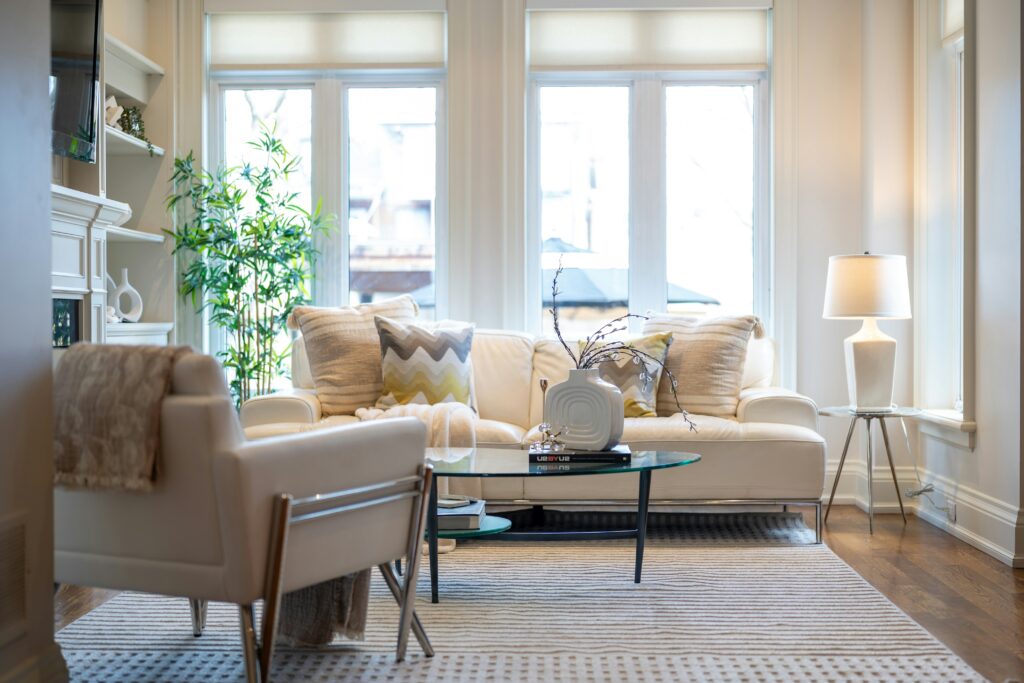
Natural light can completely transform a room.
Heavy drapes often block sunlight and make spaces feel closed in.
Instead, choose:
- Sheer curtains
- Linen curtain panels
- Light-filtering shades
- Neutral window treatments
Hang curtain rods higher and wider than the window frame. This simple trick makes windows appear larger and ceilings feel taller.
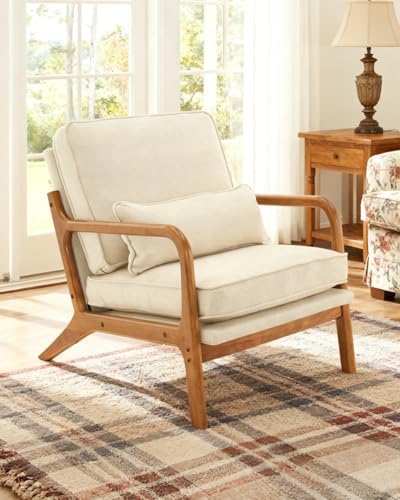
4. Choose Furniture with Visible Legs
Bulky furniture that sits directly on the floor can make a room feel crowded.
Furniture with exposed legs creates visual space underneath, allowing the eye to travel through the room.
Look for:
- Mid-century modern sofas
- Accent chairs with open frames
- Coffee tables with slim profiles
- Console tables with narrow legs
Even a few inches of visible floor space can make a significant difference.


Small Living Room Ideas That Maximize Every Inch
5. Scale Furniture to the Room
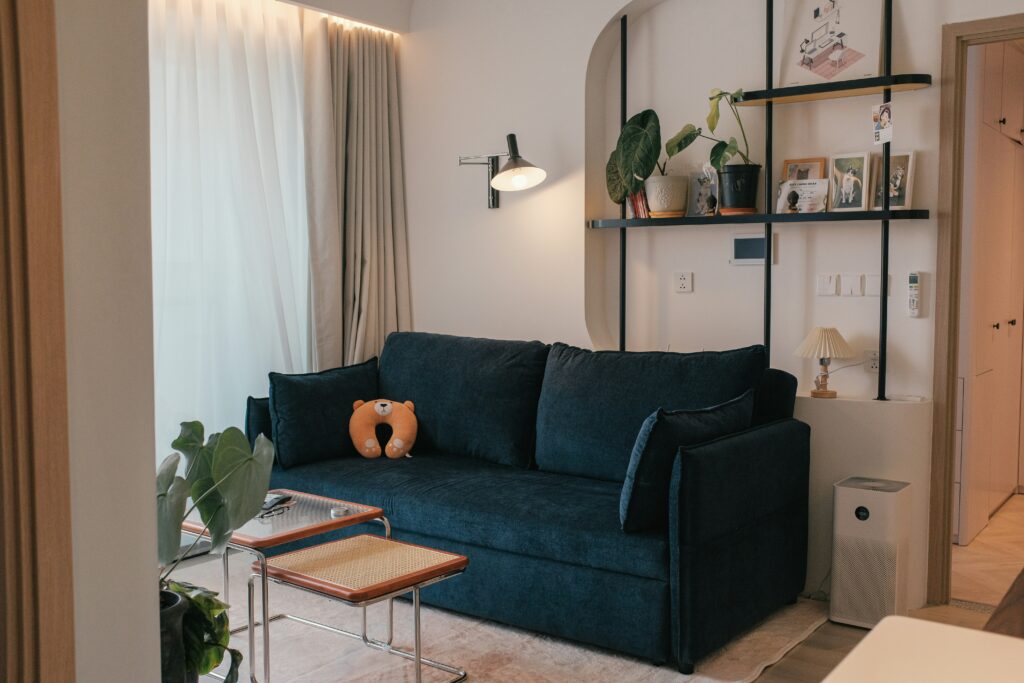
A common decorating mistake is choosing furniture that’s too large.
Instead of cramming oversized pieces into a small room, choose furnishings designed for compact spaces.
Look for:
- Apartment-size sofas
- Narrow consoles
- Small-scale sectionals
- Nesting tables
The goal isn’t to use less furniture—it’s to use furniture that fits properly.
6. Float Furniture Away from the Walls
Many people automatically push every piece of furniture against the wall.
Surprisingly, this can sometimes make a room feel smaller.
Pulling your sofa a few inches away from the wall can create:
- Better flow
- Added depth
- A more intentional layout
Even six to twelve inches can make a noticeable difference.
7. Keep Traffic Paths Clear
Nothing makes a room feel cramped faster than blocked walkways.
Try to create clear paths between:
- Entryways
- Seating areas
- Hallways
- Adjacent rooms
A room feels larger when people can move through it easily.
8. Use Multi-Functional Furniture
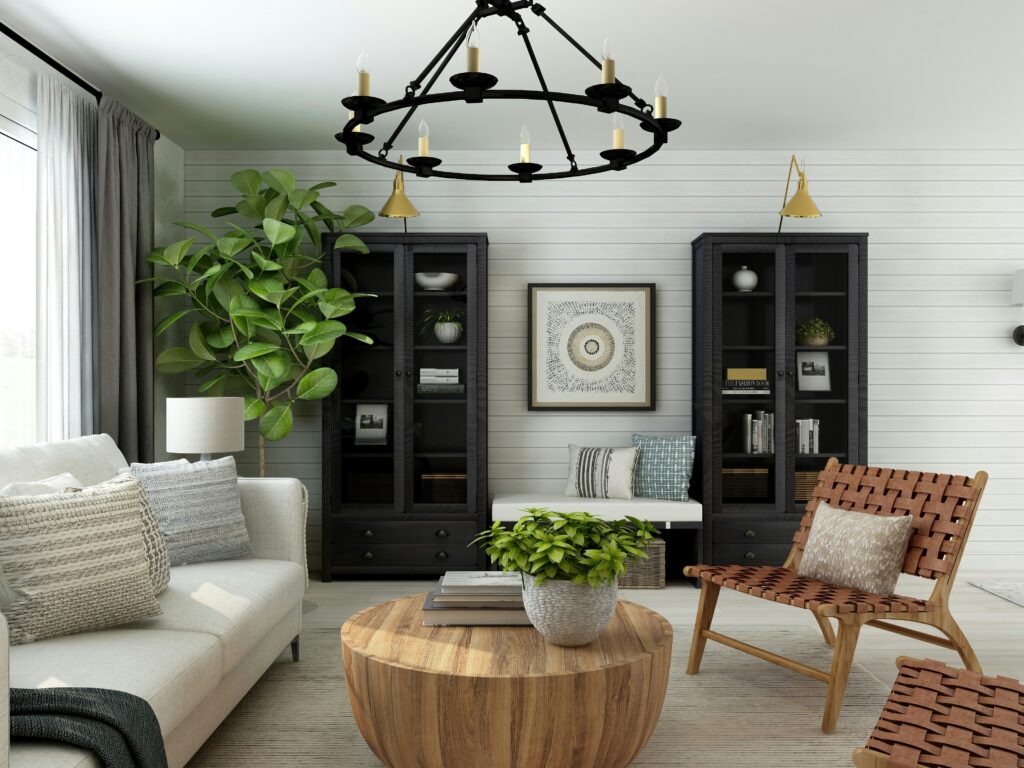
When square footage is limited, every piece should work harder.
Consider:
- Storage ottomans
- Lift-top coffee tables
- Nesting tables
- Storage benches
- Console tables with shelves
These pieces reduce clutter while maximizing function.

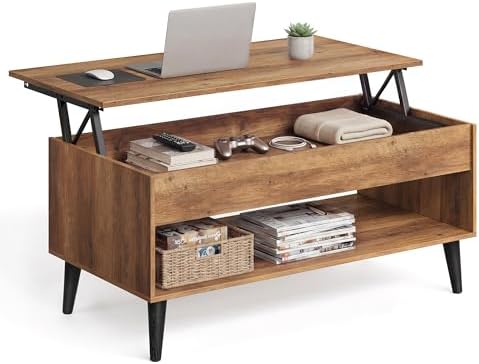

9. Create Vertical Interest
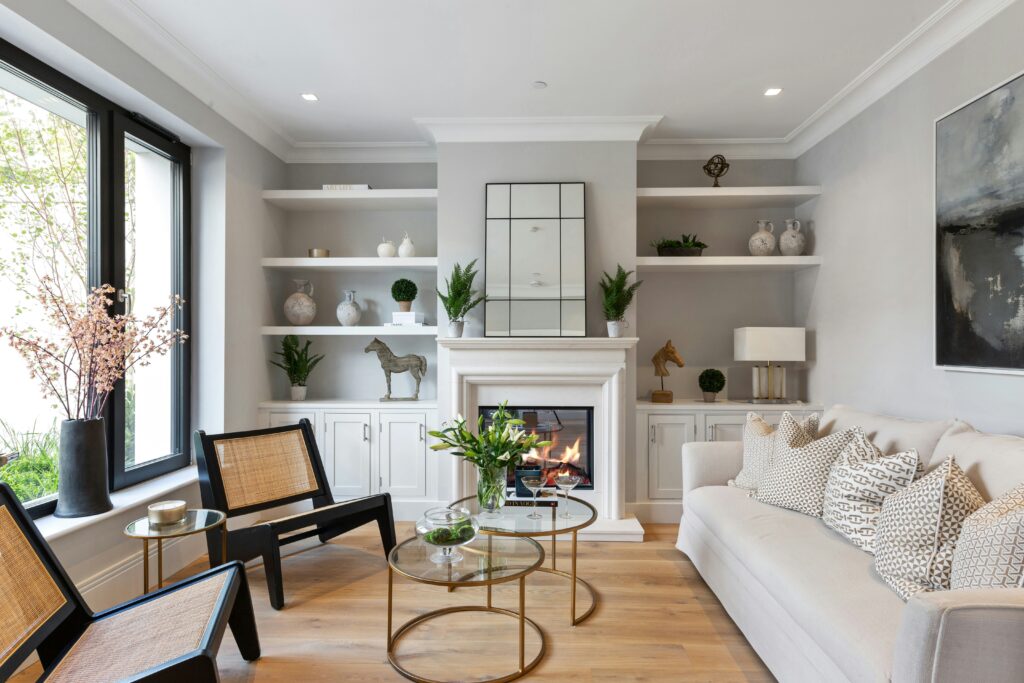
When floor space is limited, use your walls.
Drawing the eye upward creates the illusion of height.
Ideas include:
- Tall bookcases
- Floor-to-ceiling curtains
- Vertical artwork
- Wall sconces
- Floating shelves
Vertical design naturally makes ceilings appear taller.
Decorating Tricks That Make a Small Living Room Feel Bigger
10. Reduce Visual Clutter
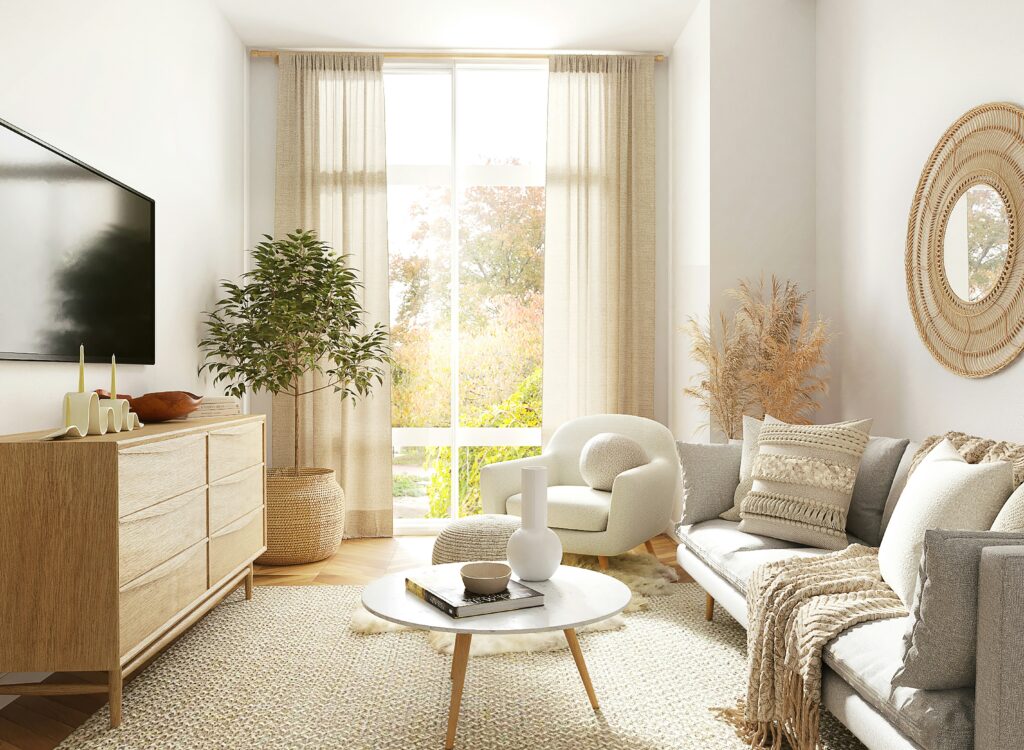
One of the fastest ways to make a room feel larger is to remove unnecessary items.
Take a look around and ask:
- Do I use this?
- Do I love this?
- Does it serve a purpose?
Less clutter allows your favorite pieces to stand out.
Easy Decluttering Targets
- Excess throw pillows
- Old magazines
- Decorative accessories
- Unused baskets
- Extra furniture
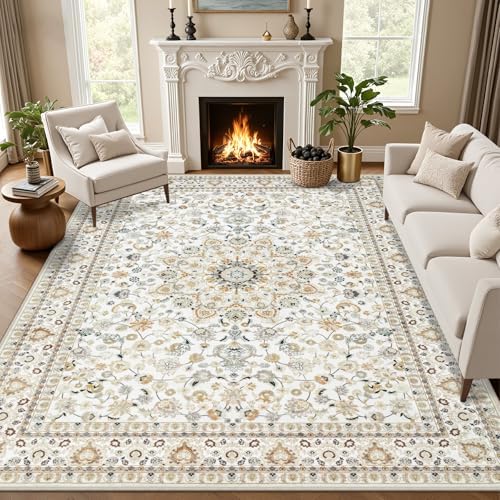
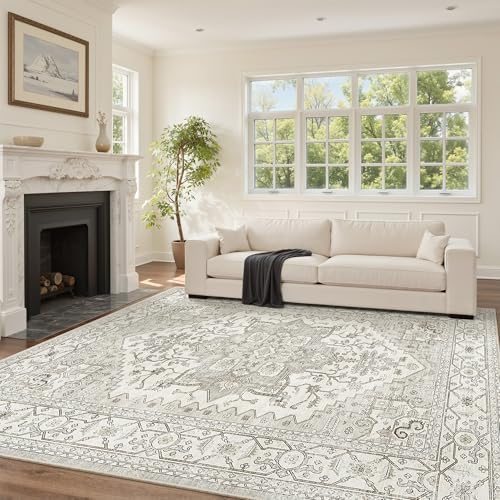
11. Choose a Larger Rug
Many homeowners buy rugs that are too small.
A small rug can actually make a room feel smaller.
Instead:
- Place front furniture legs on the rug
- Choose the largest size your room can accommodate
- Allow the rug to define the seating area
A properly sized rug visually expands the space.

12. Limit Busy Patterns
Patterns can be beautiful, but too many competing prints create visual chaos.
For a more spacious feeling:
- Use one statement pattern
- Keep large surfaces simple
- Add texture instead of multiple prints
Texture creates interest without overwhelming the room.
13. Use Glass and Acrylic Pieces
Transparent furniture takes up less visual space.
Examples include:
- Glass coffee tables
- Acrylic side tables
- Lucite consoles
Because you can see through them, the room feels less crowded.
Smart Lighting Ideas for Small Living Rooms
14. Layer Your Lighting
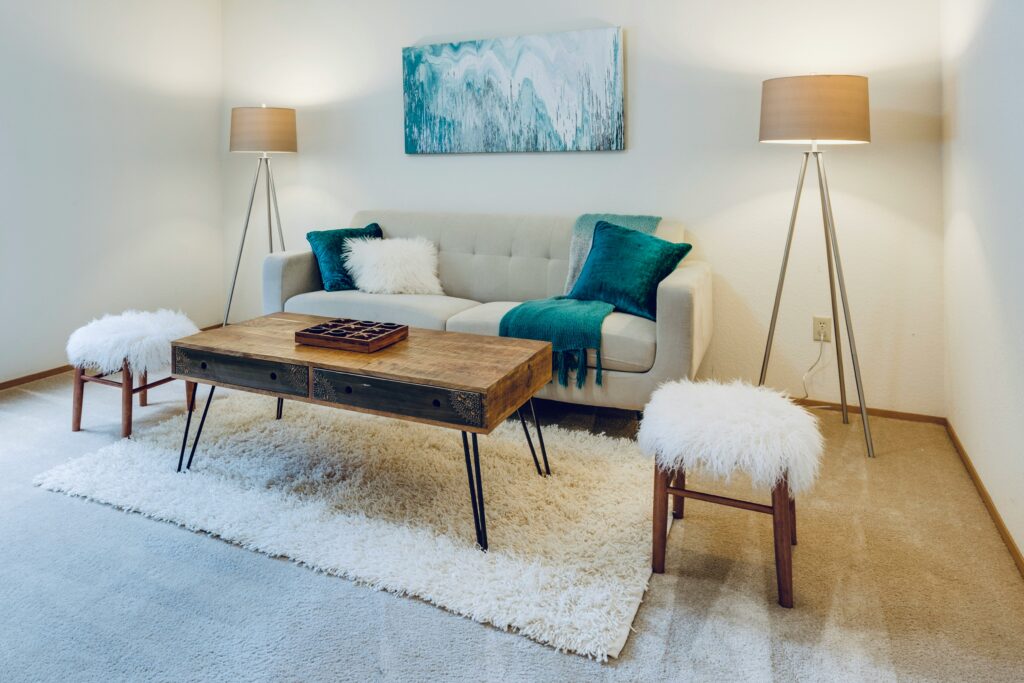
Relying on a single overhead light often creates shadows and dark corners.
Instead, use multiple light sources.
Try combining:
- Table lamps
- Floor lamps
- Wall sconces
- Accent lighting
A well-lit room automatically feels larger.
15. Brighten Dark Corners
Corners often become dead space in small rooms.
Add:
- A floor lamp
- A plant
- A small accent chair
- A narrow bookshelf
Bright corners help the entire room feel more expansive.
Frequently Asked Questions About Small Living Room Design
What color makes a small living room look bigger?
Light colors generally make rooms feel larger because they reflect more light. Soft whites, creams, light grays, and pale neutrals are excellent choices.
Do mirrors really make a room look bigger?
Yes. Mirrors reflect both light and views, creating the illusion of additional space and depth.
Should furniture touch the walls in a small living room?
Not always. Pulling furniture slightly away from the walls can add visual depth and improve flow.
What size rug should I use in a small living room?
Choose the largest rug your room can comfortably accommodate. Ideally, at least the front legs of major furniture pieces should sit on the rug.
How can I make a living room look bigger on a budget?
Focus on:
- Decluttering
- Adding mirrors
- Rearranging furniture
- Using lighter colors
- Improving lighting
- Hanging curtains higher
These changes can make a dramatic difference without spending much money.
Final Thoughts
A small living room doesn’t have to feel cramped.
The most successful spaces aren’t necessarily the largest—they’re the ones that feel open, bright, and thoughtfully designed. By using light colors, maximizing natural light, choosing the right furniture scale, and reducing visual clutter, you can create a living room that feels far more spacious than its actual square footage.
Start with one or two of these ideas and build from there. Often, the smallest changes create the biggest impact. Before long, your living room may feel like an entirely new space—without the cost of a major remodel.